Integrated Waste Management Urged to Safeguard Gili Meno’s Ecotourism
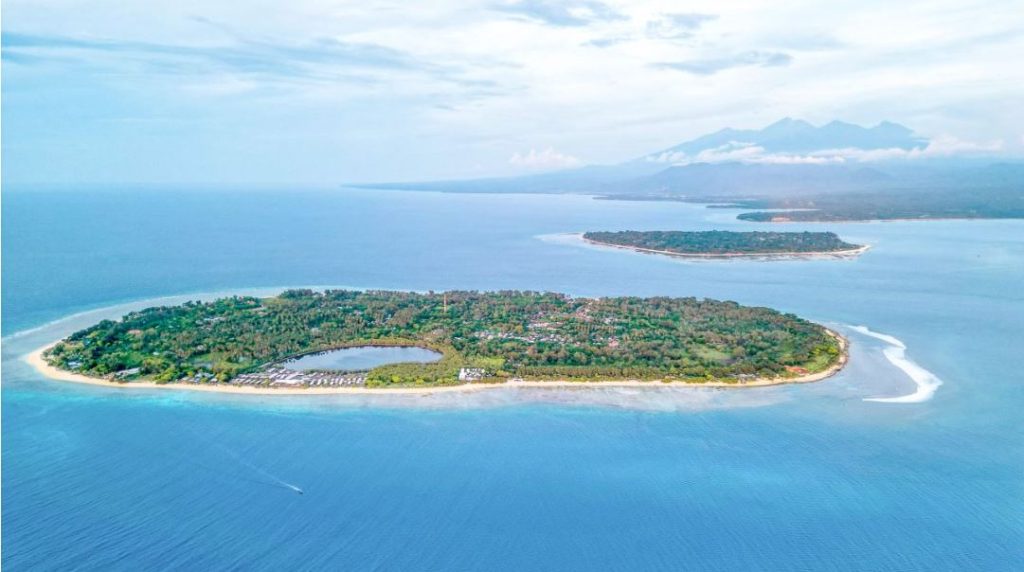
LOMBOK, INDONESIA — Rahmawati, a member of Commission VII of the House of Representatives of the Republic of Indonesia (DPR RI), has urged local authorities and tourism stakeholders to implement integrated waste management solutions in Gili Meno, West Nusa Tenggara (NTB). The initiative aims to protect the island’s delicate marine ecosystem, maintain its pristine beaches, and secure the long-term sustainability of Lombok’s tourism sector.
Overcoming Small-Island Waste Logistics
During a recess working visit to Gili Meno, Rahmawati highlighted that current environmental management practices rely heavily on transporting garbage off the island via boats to mainland Lombok. While this approach functions during low-density periods, seasonal surges in tourist arrivals cause waste volumes to multiply rapidly, straining logistics and incurring high transportation costs.
“Dozens of tons of waste are shipped across to the mainland. Shipping waste across the water requires substantial operational costs. Establishing on-site processing facilities, such as local sorting and composting stations, would address the issue closer to the source.”
— Rahmawati, Member of Commission VII DPR RI
Additionally, single-use plastic pollution along beaches and near harbor points indicates that relying solely on cleanup and transport is insufficient. Effective intervention requires reducing waste production directly at the source.
Strategic Action Plan for Sustainable Tourism
To protect Gili Meno from environmental degradation while enhancing visitor experience, Commission VII proposed three key integrated strategies:
- On-Island Waste Processing & Composting: Constructing localized waste processing facilities (TPA/TPS3R) on Gili Meno to sort recyclables and turn organic waste into compost, significantly reducing shipment loads to the mainland.
- Single-Use Plastic Reduction & Water Refill Stations: Collaborating with regional managers and hospitality businesses to limit single-use plastics. Installing dedicated drinking water refill infrastructure allows travelers to refill reusable bottles rather than carrying single-use plastics onto the island.
- Port Luggage Lockers at Main Harbors: Installing secure luggage storage lockers at mainland ferry terminals. Tourists staying short-term (2–3 days) before traveling onward to destinations like Senggigi or Mandalika can store excess baggage, improving speedboat safety and reducing unnecessary clutter brought onto the island.
Long-term destination resilience requires synchronized policies between local government entities, tourism operators, and community stakeholders to balance economic growth with environmental preservation.
Sources
- Source Article: Rahmawati Dorong Pengelolaan Sampah Terpadu demi Jaga Pariwisata Gili Meno — Fraksi Gerindra DPR-RI